
The past century of Japanese photography is not simply a chronological progression of styles—it is a deeply expressive visual history of a nation grappling with modernity, trauma, identity, and reinvention. From the documentary realism that emerged in the aftermath of war to the avant-garde ruptures of the 1960s and the lyrical, conceptual approaches of contemporary artists, Japanese photographers have consistently pushed the boundaries of the medium. What makes this tradition especially compelling is its ability to oscillate between intensely personal introspection and broader cultural critique. The photographers highlighted here—spanning pioneers, post-war masters, and contemporary innovators—have each contributed to a uniquely rich visual language that continues to influence global photography.
I. Historical Foundations: Realism and Experimentation
The mid-20th century marked a decisive turning point in Japanese photography, particularly through the work of pioneers who rejected pre-war pictorialism in favor of realism and experimentation. Among them, Ken Domon stands as a central figure. Domon championed what he called “absolute snapshot realism,” a philosophy rooted in truthfulness and social responsibility. His documentation of post-war Japan, particularly in Hiroshima, remains among the most harrowing visual records of the atomic age. His series on the aftermath of the bombing captured not only physical devastation but also the enduring psychological scars borne by survivors. Later, his work Pilgrimage to the Ancient Temples shifted toward cultural preservation, documenting Buddhist temples with a reverence that contrasted sharply with his earlier documentary work.
In contrast to Domon’s realism, Shōji Ueda pursued a more surreal and playful approach. Working primarily in the Tottori region, Ueda staged whimsical compositions in the vast sand dunes, often featuring family members as subjects. His photographs blur the line between documentation and fiction, combining meticulous composition with a sense of humor and abstraction. This duality—between the real and the imagined—would become a recurring theme in Japanese photography.
II. Post-War Masters: Trauma, Identity, and Urban Chaos
The post-war generation of photographers came of age in a Japan undergoing rapid transformation. The American occupation, economic recovery, and urbanization all left profound imprints on the national psyche, and these photographers sought to capture—and interrogate—these changes.
Shōmei Tōmatsu: Witness to History
Shōmei Tōmatsu is widely regarded as one of the most important photographers of post-war Japan. His work focused on the cultural and political upheavals of the era, particularly the lingering effects of the atomic bombings. His images of Nagasaki—melted bottles, scarred survivors—are haunting symbols of destruction and memory. Tōmatsu also documented the American military presence in Japan, revealing the cultural tensions and hybridization that defined the period. His work is both historical and deeply emotional, capturing a nation in flux.
Eikoh Hosoe: The Body as Symbol
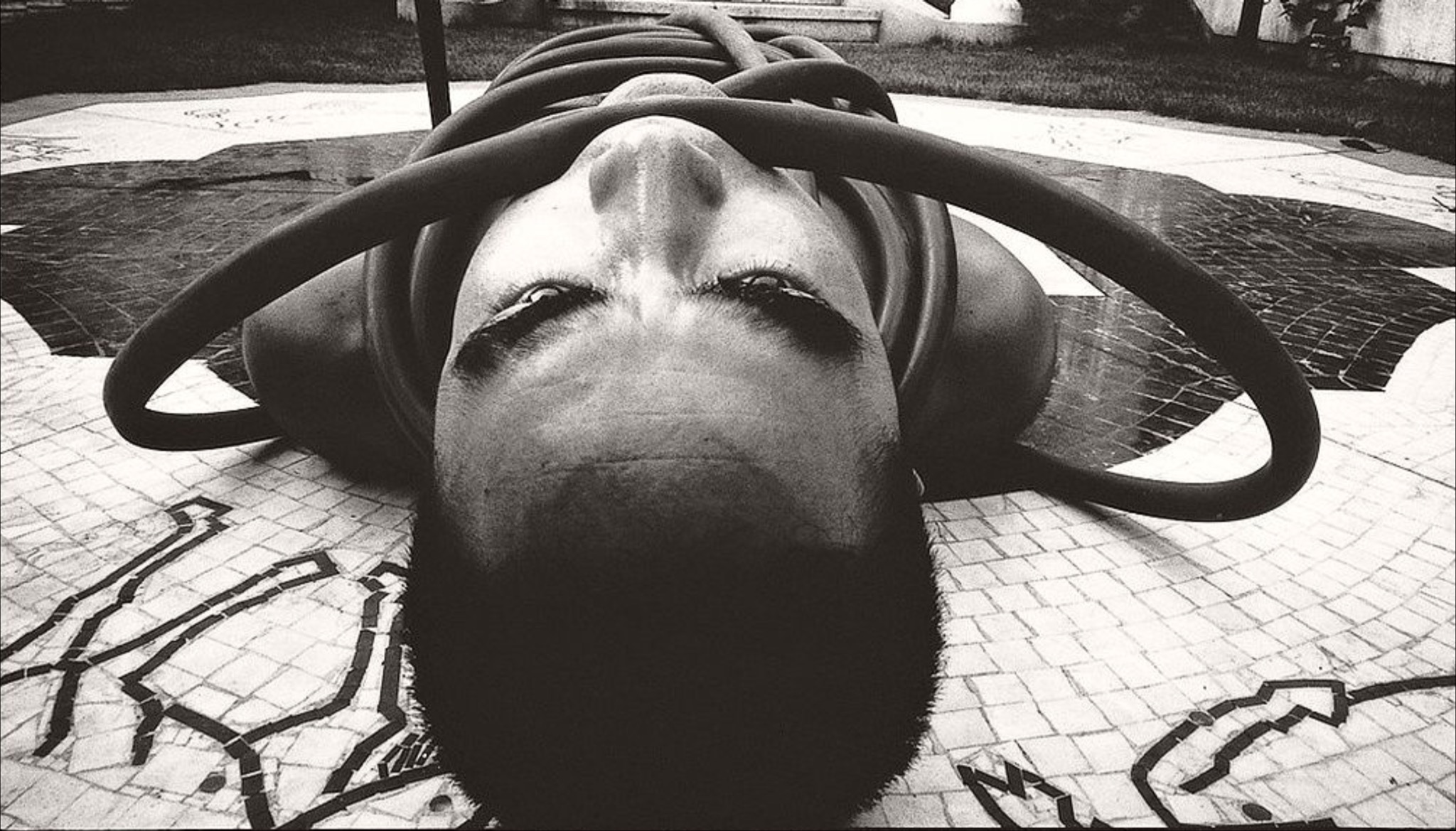
While Tōmatsu documented external realities, Eikoh Hosoe turned inward, exploring the body as a site of myth, identity, and transformation. His collaboration with writer and nationalist figure Yukio Mishima resulted in the iconic series Barakei (Ordeal by Roses). In these images, Mishima’s body becomes a theatrical object—bound, posed, and stylized—reflecting themes of beauty, death, and eroticism. Hosoe’s work is highly choreographed and symbolic, drawing from traditional Japanese aesthetics while engaging with avant-garde performance art.
Daidō Moriyama: The Fragmented City
If Hosoe’s work is theatrical, Daidō Moriyama is raw and instinctive. Emerging from the Provoke movement of the late 1960s, Moriyama developed a visual style characterized by grainy textures, high contrast, and blurred motion—often described by the Japanese term are-bure-boke (rough, blurred, out of focus). His photographs of Tokyo, particularly Shinjuku, depict a chaotic, fragmented urban environment filled with neon lights, shadows, and fleeting encounters. Moriyama’s work rejects clarity in favor of emotional immediacy, capturing the disorientation of modern life.
Nobuyoshi Araki: Intimacy and Provocation
Few photographers have generated as much controversy as Nobuyoshi Araki. Prolific and unapologetically personal, Araki’s work explores themes of sexuality, love, and mortality. His photographs often depict bondage (kinbaku), still lifes, and intimate moments from his own life, particularly his relationship with his wife, Yoko. While critics have debated the ethics and aesthetics of his work, there is no denying its emotional intensity and cultural impact. Araki transforms photography into a diary—raw, obsessive, and deeply human.
Masahisa Fukase: Solitude and Obsession
Masahisa Fukase represents perhaps the most psychologically intense strand of post-war photography. His masterpiece, Ravens, is a haunting exploration of loneliness and despair. The series, composed primarily of black-and-white images of ravens in stark landscapes, emerged during a period of personal turmoil following his divorce. The birds become metaphors for isolation, their dark silhouettes echoing the photographer’s inner state. Fukase’s work exemplifies the deeply autobiographical nature of much Japanese photography.
III. Conceptual and Contemporary Visionaries
From the 1970s onward, Japanese photography expanded into more conceptual and globally engaged territory. These artists often moved beyond documentary traditions, exploring themes of time, memory, and perception through carefully constructed images.
Hiroshi Sugimoto: Time Made Visible
Hiroshi Sugimoto is renowned for his meditative, minimalist photographs that explore the nature of time. His Seascapes series presents horizons where sea and sky merge into near abstraction, evoking a timeless, universal perspective. In his Theaters series, Sugimoto used long exposures to capture entire films in a single frame, resulting in glowing white screens surrounded by ornate interiors. These works collapse time into a single image, transforming photography into a philosophical inquiry.
Ishiuchi Miyako: Memory and the Body
Ishiuchi Miyako brings a deeply personal and feminist perspective to photography. Her series 1·9·4·7 focuses on women born in the same year as herself, exploring aging and the passage of time through close-up images of skin and clothing. In Mother’s, she photographed the belongings of her deceased mother—lipstick, shoes, garments—imbuing everyday objects with emotional resonance. Ishiuchi’s work is quiet yet powerful, emphasizing the traces that lives leave behind.
Rinko Kawauchi: The Poetry of Everyday Life
In contrast to the intensity of earlier generations, Rinko Kawauchi offers a softer, more lyrical vision. Her work, such as Utatane, is characterized by a pastel color palette and a focus on small, ephemeral moments—sunlight filtering through curtains, a child’s gesture, a droplet of water. Kawauchi’s photography transforms the mundane into something poetic, emphasizing the beauty of everyday life.
Mika Ninagawa: Color and Spectacle
If Kawauchi’s work is understated, Mika Ninagawa embraces excess. Known for her saturated colors and vibrant compositions, Ninagawa often photographs flowers, goldfish, and urban landscapes with a distinctly pop aesthetic. Her images are visually striking and immediately recognizable, blending commercial and fine art influences. Ninagawa’s work reflects contemporary Japan’s fascination with color, consumption, and visual spectacle.
Hiromix: Youth and Snapshot Aesthetics
Finally, Hiromix represents the democratization of photography in the 1990s. Associated with the “girls’ photography” movement, Hiromix used compact cameras to capture candid images of youth culture in Tokyo. Her work is intentionally unpolished, emphasizing spontaneity and authenticity. This snapshot aesthetic influenced a generation of photographers and anticipated the visual culture of social media.
IV. Themes and Legacy
Across these diverse practices, several recurring themes emerge. First is the tension between tradition and modernity. Photographers like Domon and Tōmatsu grappled with Japan’s historical trauma and rapid transformation, while others, like Sugimoto, sought timeless perspectives that transcend cultural specificity.
Second is the deeply personal nature of Japanese photography. From Araki’s diaristic approach to Fukase’s emotional intensity and Ishiuchi’s intimate explorations of memory, many photographers use the medium as a form of self-examination. This inward focus often results in work that is both specific and universal.
Third is a willingness to experiment with form and aesthetics. The Provoke movement’s rejection of technical perfection, Hosoe’s theatrical compositions, and Ninagawa’s hyper-saturated images all demonstrate a commitment to pushing the boundaries of photographic expression.
Finally, Japanese photography has had a profound global impact. Moriyama’s gritty style influenced street photography worldwide, while Sugimoto’s conceptual work is exhibited in major museums across the globe. Contemporary photographers like Kawauchi continue to shape international visual culture.
Conclusion
The history of Japanese photography over the past century is one of constant reinvention. From the stark realism of Ken Domon to the experimental visions of Daidō Moriyama and the contemplative minimalism of Hiroshi Sugimoto, each generation has redefined what photography can be. These artists have not only documented Japan’s transformation but also explored the deeper questions of memory, identity, and perception.
What makes their work enduring is its ability to resonate across cultures and time. Whether through the haunting imagery of Ravens, the theatrical intensity of Barakei (Ordeal by Roses), or the quiet beauty of Utatane, these photographers have created images that linger in the mind. Together, they form a visual canon that continues to inspire and challenge our understanding of the photographic medium.
(Photos from my collection — from Ordeal by Roses, Barakei)
_____________________________
過去100年にわたる日本の写真史は、単なる様式の変遷ではなく、近代化、トラウマ、アイデンティティ、そして再生と向き合ってきた国家の視覚的記録である。戦前の絵画主義から戦後のリアリズム、さらに1960〜70年代の前衛的な断絶、そして現代の詩的かつ概念的なアプローチへと、日本写真は絶えず変化し続けてきた。その特徴は、極めて個人的な内省と広範な社会的批評の間を往復する力にある。本稿で取り上げる写真家たちは、それぞれ独自の視覚言語を築き上げ、世界の写真表現に大きな影響を与えてきた。
I. 歴史的基盤:リアリズムと実験
20世紀中頃、日本の写真は大きな転換点を迎えた。戦前の絵画主義を離れ、現実を直視するリアリズムと実験的な試みが主流となる。その中心にいたのが 土門拳 である。土門は「絶対非演出の絶対スナップ」を掲げ、真実性と社会的責任を重視した。広島における被爆の記録は、原子時代の最も衝撃的な視覚資料の一つであり、物理的破壊だけでなく、被爆者の精神的苦痛までも写し出した。
後年の代表作である 古寺巡礼 では、日本の仏教建築を記録し、文化的遺産への深い敬意を示している。初期の社会派ドキュメンタリーとは対照的に、精神性と伝統へのまなざしが際立つ。
一方、植田正治 は、土門とは対照的にシュルレアリスティックで遊び心のある作品を生み出した。鳥取砂丘を舞台に、家族や小道具を用いた演出写真を制作し、現実と虚構の境界を曖昧にした。その構成美とユーモアは、日本写真における重要なもう一つの流れを形成している。
II. 戦後の巨匠たち:トラウマ、身体、都市
戦後世代の写真家たちは、急速に変化する日本社会の中で活動を始めた。占領期、経済成長、都市化といった現実は、彼らの作品に深く刻み込まれている。
東松照明:歴史の証人
東松照明 は、戦後日本を代表する写真家の一人である。長崎の原爆被害や米軍基地の存在などをテーマに、戦後社会の矛盾と記憶を鋭く描き出した。溶けた瓶や傷跡を負った身体のイメージは、破壊と記憶の象徴として強い印象を残す。
細江英公:身体と象徴
細江英公 は、外部の現実ではなく、身体と精神の内面に目を向けた写真家である。作家 三島由紀夫 との協働による 薔薇刑 は、肉体を舞台化し、美と死、エロスを象徴的に表現した代表作である。伝統美と前衛芸術が融合したその作品は、写真の可能性を拡張した。
森山大道:断片化された都市
森山大道 は、粗粒子でブレた高コントラストの写真によって、都市の混沌を表現した。「アレ・ブレ・ボケ」と呼ばれるそのスタイルは、1960年代の前衛写真運動「プロヴォーク」を象徴する。新宿の街を中心に、断片的で不安定な現代の感覚を写し出した。
荒木経惟:私写真と挑発
荒木経惟 は、最も物議を醸した写真家の一人である。性愛や死、日常生活をテーマに、自身の人生を記録する「私写真」を展開した。妻・陽子との関係を含む作品群は、極めて個人的でありながら普遍的な感情を喚起する。
深瀬昌久:孤独の詩学
深瀬昌久 の代表作 鴉 は、孤独と絶望を象徴する作品として知られる。離婚後の精神的苦悩の中で制作されたこのシリーズでは、黒い鴉が内面の孤独を映し出すメタファーとして機能している。
III. コンセプチュアルと現代写真
1970年代以降、日本の写真はより概念的で国際的な方向へと展開していく。
杉本博司:時間の可視化
杉本博司 は、時間と知覚をテーマにした作品で知られる。海と空の境界を捉えた「海景」シリーズや、映画一本分の時間を一枚に凝縮した「劇場」シリーズは、写真を哲学的な思考の場へと押し上げた。
石内都:記憶と身体
石内都 は、女性の身体や記憶をテーマにした作品で評価されている。1・9・4・7 では同世代の女性を撮影し、時間の痕跡を可視化した。また「Mother’s」では亡き母の遺品を通じて記憶を探求している。
川内倫子:日常の詩
川内倫子 は、柔らかな光と淡い色彩で日常の一瞬を詩的に切り取る。うたたね に代表される作品は、何気ない瞬間に潜む美しさを浮かび上がらせる。
蜷川実花:色彩とスペクタクル
蜷川実花 は、鮮やかな色彩と装飾性で知られる。花や金魚などをモチーフに、ポップで視覚的に強烈なイメージを生み出し、現代日本の消費文化や視覚文化を体現している。
Hiromix:スナップと若者文化
Hiromix は、1990年代の「ガーリー・フォト」ブームを代表する存在である。コンパクトカメラによる気取らないスナップ写真で、東京の若者文化をリアルに描写した。
IV. 主題と遺産
これらの写真家に共通するテーマとして、まず「伝統と近代の緊張関係」が挙げられる。また、「私性」の強さも特徴的であり、多くの作品が個人的体験に根ざしている。さらに、形式的実験への積極性も重要であり、日本写真は常に新たな表現を模索してきた。
過去100年にわたる日本の写真史は、単なる様式の変遷ではなく、近代化、トラウマ、アイデンティティ、そして再生と向き合ってきた国家の視覚的記録である。戦前の絵画主義から戦後のリアリズム、さらに1960〜70年代の前衛的な断絶、そして現代の詩的かつ概念的なアプローチへと、日本写真は絶えず変化し続けてきた。その特徴は、極めて個人的な内省と広範な社会的批評の間を往復する力にある。本稿で取り上げる写真家たちは、それぞれ独自の視覚言語を築き上げ、世界の写真表現に大きな影響を与えてきた。
I. 歴史的基盤:リアリズムと実験
20世紀中頃、日本の写真は大きな転換点を迎えた。戦前の絵画主義を離れ、現実を直視するリアリズムと実験的な試みが主流となる。その中心にいたのが 土門拳 である。土門は「絶対非演出の絶対スナップ」を掲げ、真実性と社会的責任を重視した。広島における被爆の記録は、原子時代の最も衝撃的な視覚資料の一つであり、物理的破壊だけでなく、被爆者の精神的苦痛までも写し出した。
後年の代表作である 古寺巡礼 では、日本の仏教建築を記録し、文化的遺産への深い敬意を示している。初期の社会派ドキュメンタリーとは対照的に、精神性と伝統へのまなざしが際立つ。
一方、植田正治 は、土門とは対照的にシュルレアリスティックで遊び心のある作品を生み出した。鳥取砂丘を舞台に、家族や小道具を用いた演出写真を制作し、現実と虚構の境界を曖昧にした。その構成美とユーモアは、日本写真における重要なもう一つの流れを形成している。
II. 戦後の巨匠たち:トラウマ、身体、都市
戦後世代の写真家たちは、急速に変化する日本社会の中で活動を始めた。占領期、経済成長、都市化といった現実は、彼らの作品に深く刻み込まれている。
東松照明:歴史の証人
東松照明 は、戦後日本を代表する写真家の一人である。長崎の原爆被害や米軍基地の存在などをテーマに、戦後社会の矛盾と記憶を鋭く描き出した。溶けた瓶や傷跡を負った身体のイメージは、破壊と記憶の象徴として強い印象を残す。
細江英公:身体と象徴
細江英公 は、外部の現実ではなく、身体と精神の内面に目を向けた写真家である。作家 三島由紀夫 との協働による 薔薇刑 は、肉体を舞台化し、美と死、エロスを象徴的に表現した代表作である。伝統美と前衛芸術が融合したその作品は、写真の可能性を拡張した。
森山大道:断片化された都市
森山大道 は、粗粒子でブレた高コントラストの写真によって、都市の混沌を表現した。「アレ・ブレ・ボケ」と呼ばれるそのスタイルは、1960年代の前衛写真運動「プロヴォーク」を象徴する。新宿の街を中心に、断片的で不安定な現代の感覚を写し出した。
荒木経惟:私写真と挑発
荒木経惟 は、最も物議を醸した写真家の一人である。性愛や死、日常生活をテーマに、自身の人生を記録する「私写真」を展開した。妻・陽子との関係を含む作品群は、極めて個人的でありながら普遍的な感情を喚起する。
深瀬昌久:孤独の詩学
深瀬昌久 の代表作 鴉 は、孤独と絶望を象徴する作品として知られる。離婚後の精神的苦悩の中で制作されたこのシリーズでは、黒い鴉が内面の孤独を映し出すメタファーとして機能している。
III. コンセプチュアルと現代写真
1970年代以降、日本の写真はより概念的で国際的な方向へと展開していく。
杉本博司:時間の可視化
杉本博司 は、時間と知覚をテーマにした作品で知られる。海と空の境界を捉えた「海景」シリーズや、映画一本分の時間を一枚に凝縮した「劇場」シリーズは、写真を哲学的な思考の場へと押し上げた。
石内都:記憶と身体
石内都 は、女性の身体や記憶をテーマにした作品で評価されている。1・9・4・7 では同世代の女性を撮影し、時間の痕跡を可視化した。また「Mother’s」では亡き母の遺品を通じて記憶を探求している。
川内倫子:日常の詩
川内倫子 は、柔らかな光と淡い色彩で日常の一瞬を詩的に切り取る。うたたね に代表される作品は、何気ない瞬間に潜む美しさを浮かび上がらせる。
蜷川実花:色彩とスペクタクル
蜷川実花 は、鮮やかな色彩と装飾性で知られる。花や金魚などをモチーフに、ポップで視覚的に強烈なイメージを生み出し、現代日本の消費文化や視覚文化を体現している。
Hiromix:スナップと若者文化
Hiromix は、1990年代の「ガーリー・フォト」ブームを代表する存在である。コンパクトカメラによる気取らないスナップ写真で、東京の若者文化をリアルに描写した。
IV. 主題と遺産
これらの写真家に共通するテーマとして、まず「伝統と近代の緊張関係」が挙げられる。また、「私性」の強さも特徴的であり、多くの作品が個人的体験に根ざしている。さらに、形式的実験への積極性も重要であり、日本写真は常に新たな表現を模索してきた。
結論
過去100年の日本写真史は、絶え間ない革新の歴史である。土門拳 のリアリズムから、森山大道 の前衛性、そして 杉本博司 の哲学的探求に至るまで、それぞれの世代が写真の意味を再定義してきた。
鴉 の不穏な美、薔薇刑 の劇的表現、そして うたたね の静かな詩情は、いずれも強い余韻を残す。これらの作品群は、日本写真の豊かな遺産を形成し、今なお世界中の写真家に影響を与え続けている。
過去100年の日本写真史は、絶え間ない革新の歴史である。土門拳 のリアリズムから、森山大道 の前衛性、そして 杉本博司 の哲学的探求に至るまで、それぞれの世代が写真の意味を再定義してきた。
鴉 の不穏な美、薔薇刑 の劇的表現、そして うたたね の静かな詩情は、いずれも強い余韻を残す。これらの作品群は、日本写真の豊かな遺産を形成し、今なお世界中の写真家に影響を与え続けている。
(私のコレクションからの写真 ― 『バラの試練』、バラケイより)
Leave a Reply